

Work Lights vs Spotlights: Flood Beam vs Spot Beam Explained
Date Posted:1 April 2026
Work Lights vs Spotlights: Understanding Flood Beam and Spot Beam
When it comes to jobsite lighting, not all beams are created equal. If you've ever tried to light up a worksite or tow in the dark with the wrong type of lamp, you'll know the frustration — patchy coverage, glare, or worse, not enough visibility where you need it most. Understanding the difference between work lights (flood beam) and spotlights (spot beam) is essential before you buy.
What is a Work Light (Flood Beam)?
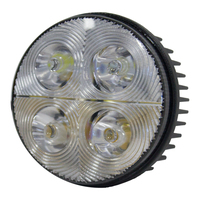
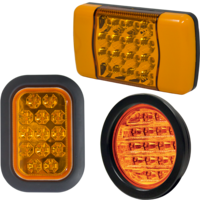
Work lights — often called flood lights — are designed to spread light evenly over a wide area. Typically with a 60°+ beam angle, they provide broad illumination that's perfect for close-range tasks. Think service vehicles, workshops, trailers, and construction sites. With LEDs, work lights deliver high lumen output while remaining energy efficient, making them the go-to choice for heavy duty and repetitive use.
Best for:
- Mechanics and auto electricians working on-site
- Construction and civil equipment
- Loading trailers at night
- Emergency and utility vehicles
What is a Spotlight (Spot Beam)?
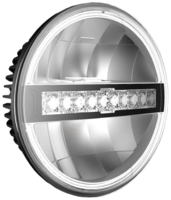
Spotlights are the opposite: narrow, long-distance beams (10–30°) designed to project light far ahead. If you're driving long-haul trucks or need to see hazards on remote tracks, a spotlight is your best option. They won't cover a wide area, but they'll punch light through the darkness where you need a clear line of sight.
Best for:
- Long-distance driving and highway work
- Search and rescue operations
- Off-road and remote area touring
Flood vs Spot — Which Should You Choose?
The decision comes down to distance vs coverage. If you need to illuminate a large work area up close, go for a flood beam work light. If your focus is spotting obstacles or hazards far ahead, a spotlight is the way to go. Many fleets run a combination of both, covering all bases.
| Beam Type | Coverage | Distance | Best Use Case |
|---|---|---|---|
| Flood / Work Light | Wide (60°+) | Short range | Workshops, trailers, service vehicles |
| Spot Light | Narrow (10–30°) | Long range | Trucks, off-road, search tasks |
Why Whitevision Work Lights?
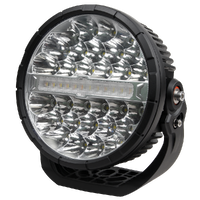
At Whitevision, our LWL Series Work Lights are built tough with Varivolt® 10–30V technology, IP67 dust and water protection, and rugged housings made for Australian worksites. Whether it's a mine site in WA or a construction yard in Brisbane, our flood beam work lights are designed to last.
Up to 84% Off RRP on LWL Series Work Lights
Our full range of LED work lights is on sale now — including bulk buy pricing. From $14.95 ea ex on the 12W Square to $34.50 ea ex on the 39W Round. IP67 rated, 10–30V Varivolt®, built for Australian worksites.
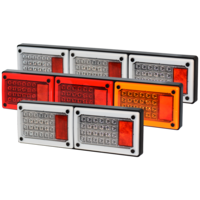
- 9W Rectangle Worklight (LWL450-9) — from $15.95 ea ex (bulk)
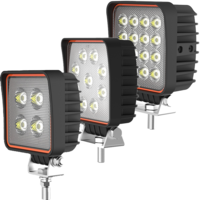
- 12W Square Worklight (LWL400-12) — from $14.95 ea ex (bulk)
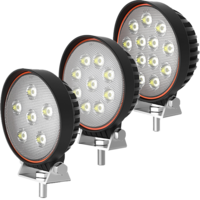
- 18W Round Worklight (LWL300-18) — $22.50 ea ex
- 27W Round Worklight (LWL300-27) — from $25.25 ea ex (bulk)
- 39W Round Worklight (LWL300-39) — $34.50 ea ex
- 48W Square Worklight (LWL400-48) — from $36.00 ea ex (bulk)